In First Nations communities, the birth of a baby is a sacred event to be celebrated. Women and birthing people are honoured for their role as life‑givers, a responsibility understood as a profound gift. Each Nation carries its own teachings, knowledge, and ceremonies that guide every stage of the journey, from preconception through pregnancy, birth, and beyond.
For student midwife Echo Sulin, bringing birth back into community is at the heart of her work.
“Birth has been a part of people's communities and cultures since time immemorial," she says. “But in the last 50 to 100 years, many communities have lost the presence of birth. I think it's really important to bring that back. Birth is so personal, and there are so many ways to celebrate and integrate it into our culture and traditions."
Echo comes from the Chilcotin Nation on her father's side and is of mixed European descent on her mother's side. Growing up in Southern Alberta, she was surrounded by the strength of birth work through her mother, who was a doula. Their home, she recalls, was shaped by a “birth‑positive, women‑centered environment," and even as a child she understood birth as something familiar, powerful, and empowering.
Now in her second year of the UBC midwifery program, Echo is carrying that early understanding forward in her work to reconnect birth with culture. She describes midwifery as a space that “walks the line between traditional practice and modern medicine," allowing her to support families through one of the most transformative moments of their lives.
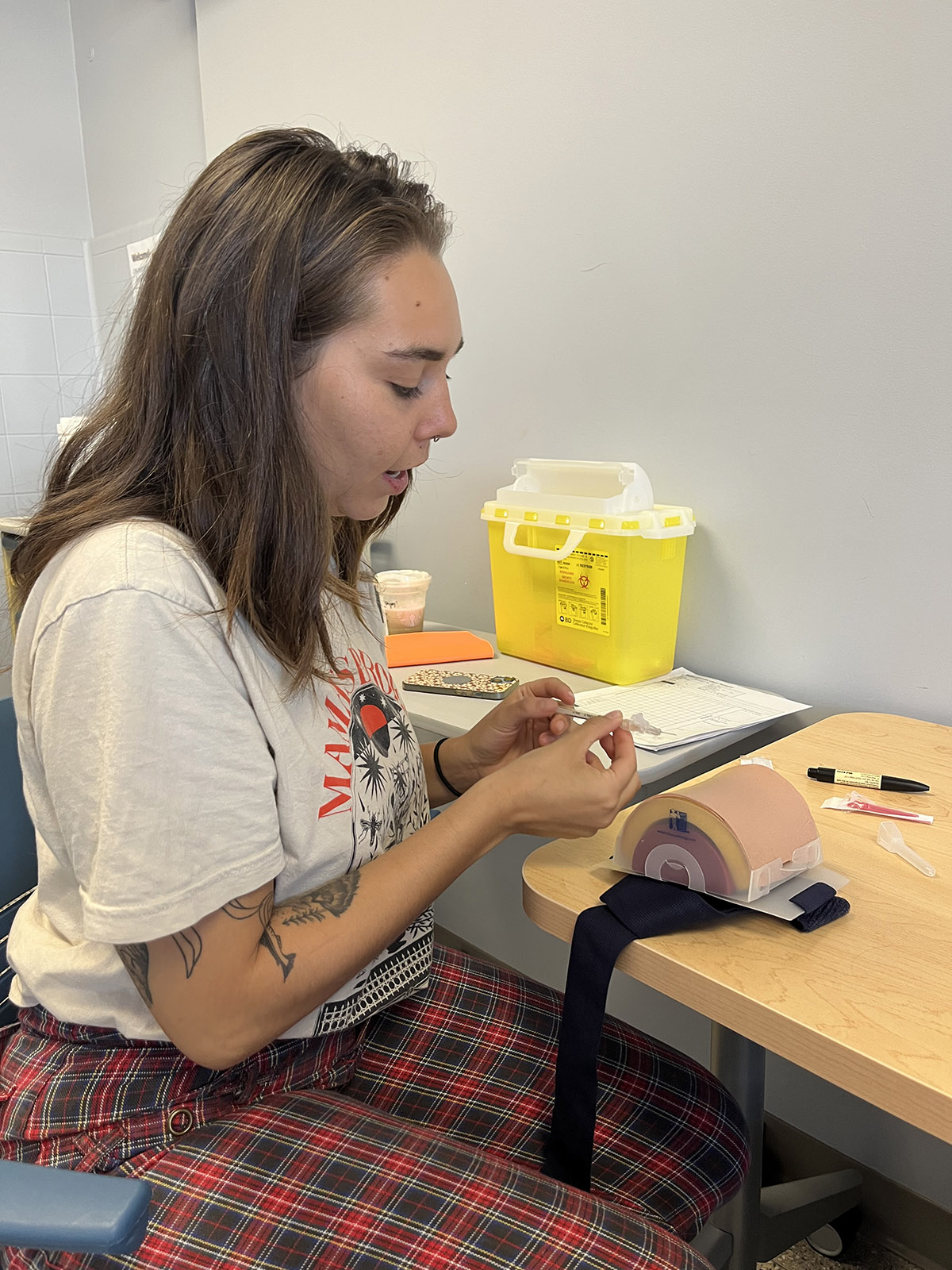
For Echo, the most meaningful part of the work is “empowering the birther or the family through this huge time of change. Witnessing the formation of families and supporting people in the way they need is incredibly rewarding. Every family is different, so knowing when to step in and when to step back is important."
Above all, Echo works to make sure the birthing person and family feel informed, respected and in control. “The medical system has not been kind to Indigenous families," she says. “For me, cultural safety is about clear communication, real choice, and involving the birth giver and the family in every decision so they don't feel like something is happening to them."
As part of her training, Echo is currently on placement in Nelson, BC, where she follows a team of midwives in clinical care, attends births, and supports families postpartum as they welcome their new baby home. She speaks with gratitude about the mentorship she receives and the way midwifery is learned in relationship.
“You can't learn midwifery from a textbook. It's very mentorship‑based. Learning one‑on‑one is a very Indigenous way of passing on knowledge and the Indigenous midwifery community is close‑knit and supportive."
When asked what she would say to someone considering a career in midwifery, Echo doesn't hesitate: “Do it. We need Indigenous midwives, there are not many of us in BC. The work is really fulfilling. Birth so is beautiful, this time is precious, and midwifery is a powerful way to bring birth back into communities."
International Day of the Midwife is a reminder that healthy beginnings are not only about clinical care, but also dignity, choice and community. Echo's journey reflects that in supporting First Nations families in ways that honour culture, strengthen autonomy and help bring birthing into the home.
You can read more about what the FNHA is doing for maternal, child, and family health here.