This message contains sensitive content and could be triggering. For crisis supports here in BC, call the KUU-US Crisis Line at 1-800-588-8717. Or call the national 24-hour hotline for anyone affected by the issue of missing and murdered Indigenous people at 1-844-413-6649.
On May 5, we remember and honour the thousands of Indigenous women, girls, and 2S/LGBTQQIA+ people who were murdered or are missing.
As First Nations women and leaders at the First Nations Health Authority (FNHA), we stand with everyone who is grieving family members, friends, and community members who are missing or were murdered. We name racism embedded in systems, policies, and attitudes as a root cause of the egregious levels of all kinds of violence against our relatives. According to Statistics Canada, Indigenous (First Nations, Inuit, Métis) women and girls are six times more likely to be murdered than other groups in Canada, a reality that demands sustained action across health, justice, and social systems.
We offer our deepest condolences to all loved ones left behind and reaffirm our commitment to continue our work to end racism, which is a public health crisis that demands ongoing action.
First Nations people deserve to be heard, seen, and valued. This is why we intentionally centre and lift First Nations voices, because lived experience, cultural knowledge, and community leadership must guide the work of change.
This year, we are intentionally sharing the words of Carol Muree Martin, a Nisga'a Nation member who has dedicated more than three decades of her life to supporting Indigenous people in Vancouver's Downtown Eastside (DTES).
Over the past 35 years, Carol's various roles have included staff member at the DTES Women's Centre and committee member of the Missing and Murdered Indigenous Women and Girls (MMIWG) Memorial March. In 1992, she was part of the inaugural Women's Memorial March, which began as an idea in a DTES Women's Centre staff meeting.
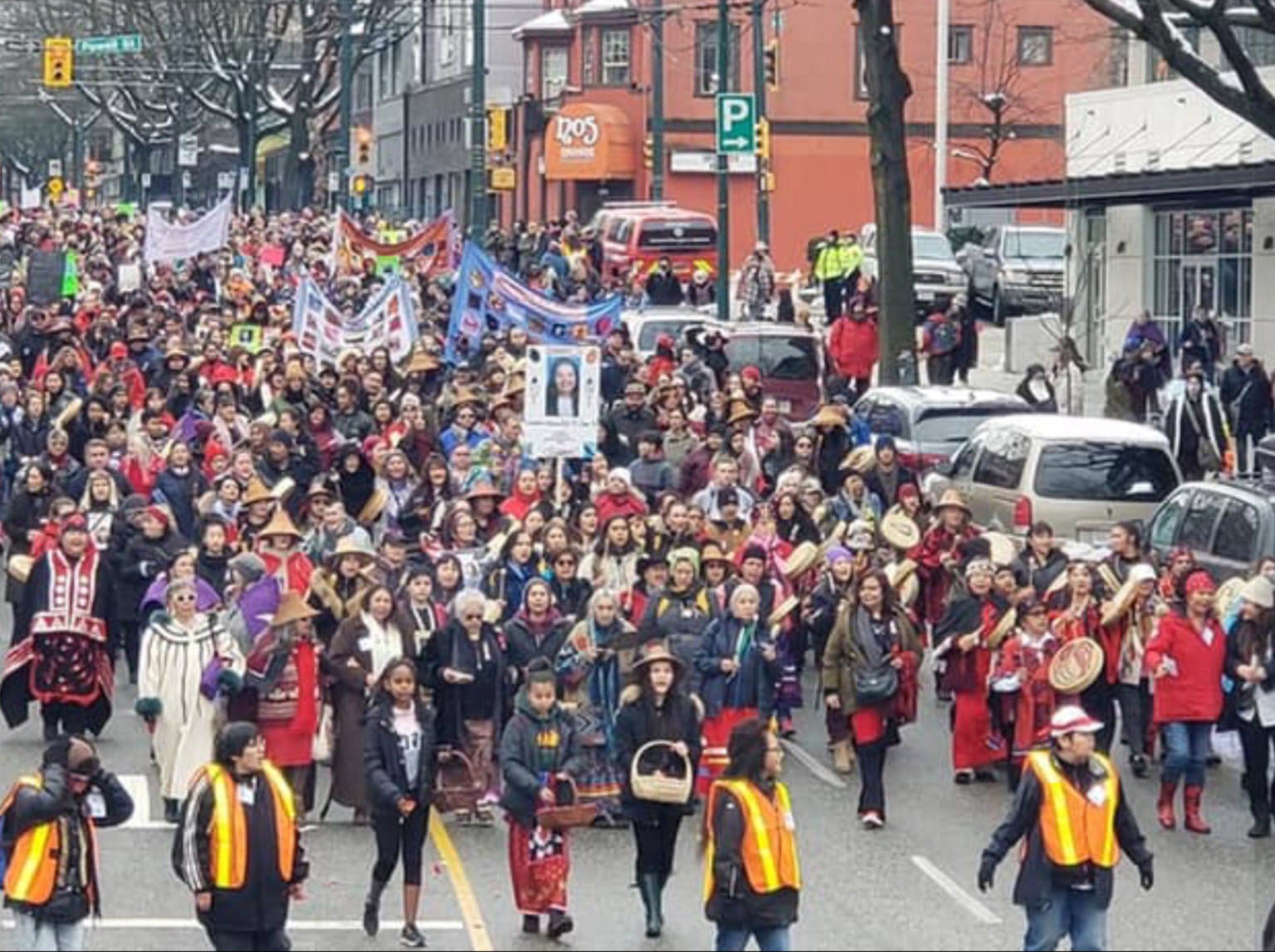
“I love the people in the DTES because they were there for me in the hard times," said Carol. “Even in their addiction or drinking or whatever, they are real. It's a strong community, and people try to take care of each other. I remember when the women all started going missing there. It was surreal."
In 2010, the MMIWG Committee co-founded SisterWatch with the Vancouver Police Department. SisterWatch is an initiative aimed at preventing and addressing the disproportionate amount of violence experienced by Indigenous women and girls in the DTES.
Carol reminds us that lasting change requires confronting attitude and beliefs that are rooted in racism, including the ones many Indigenous people have internalized through generations of colonial harms.
“Most of us were treated so badly and taught that we were not valuable and deserving of respect. But we most certainly are, and we need to believe that we are," she said. “We need to love ourselves and know that we have our own medicines—our lands, waters, trees, and our cultures—that can save us. Culture saves lives.
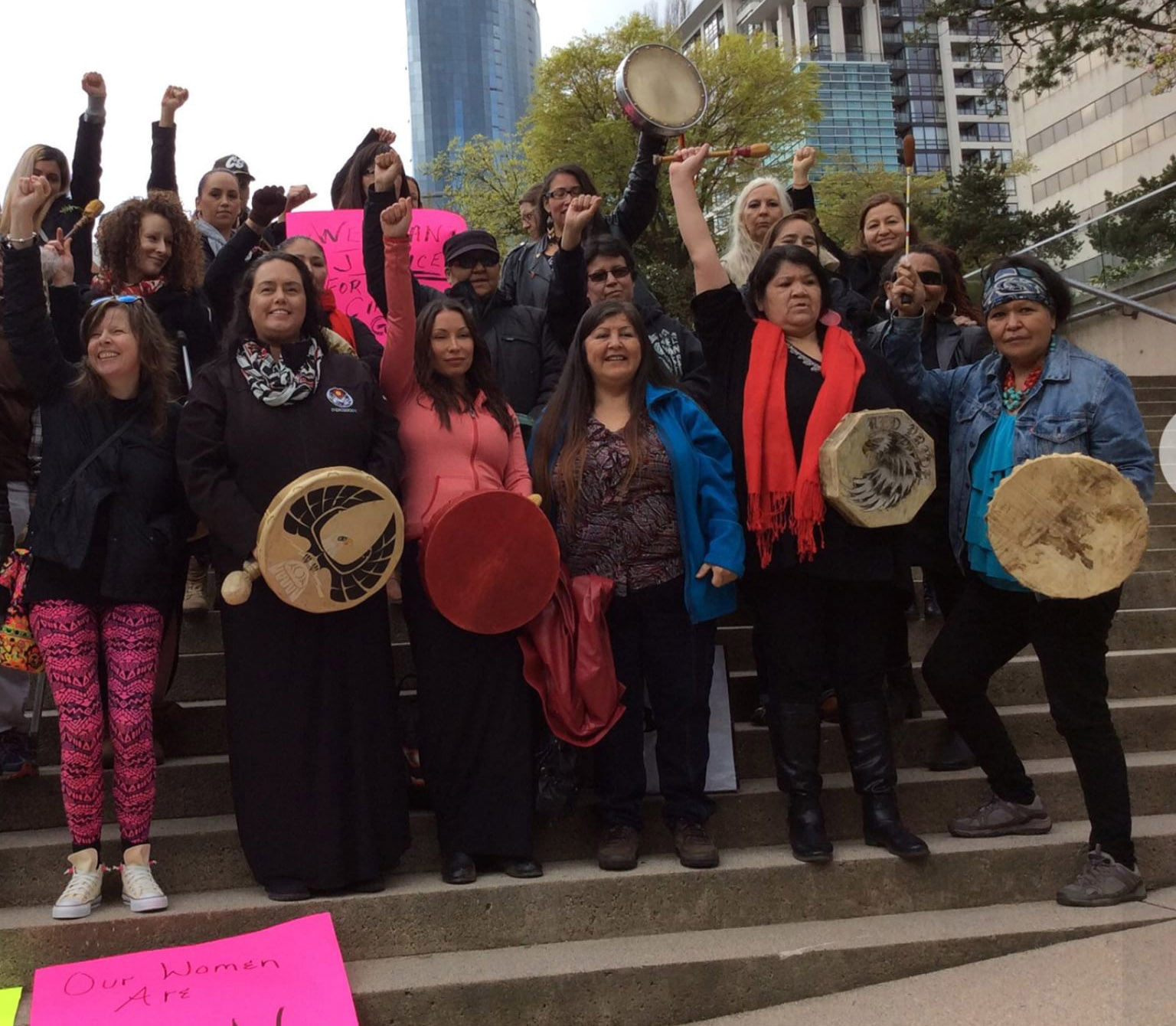
Carol recalls an important moment in her life when, during a cultural activity, when she looked down at her “brown hands" and thought, “They are beautiful." It was a revelation, after so many years of seeing herself as “ugly" through the colonizers' eyes and the hateful stereotypes about Indigenous people.
“Loving ourselves and each other will go a long way towards change and ending lateral violence. We must continue to fight together for our homes, our children, ourselves, our daily lives. We are worth it."
We thank Carol for her long-time advocacy and for sharing her powerful words with us.
On MMIWG Day, and every day, we honour those who were murdered or are missing by continuing to challenge the systems that failed them. We also honour the strength of survivors, families, and communities, and we continue our commitment to truth, justice, safety, and healing for all First Nations people.
For more information and resources: