Stories, workshops and community-led knowledge-sharing will highlight the deep connections between food, culture, land and wellness.
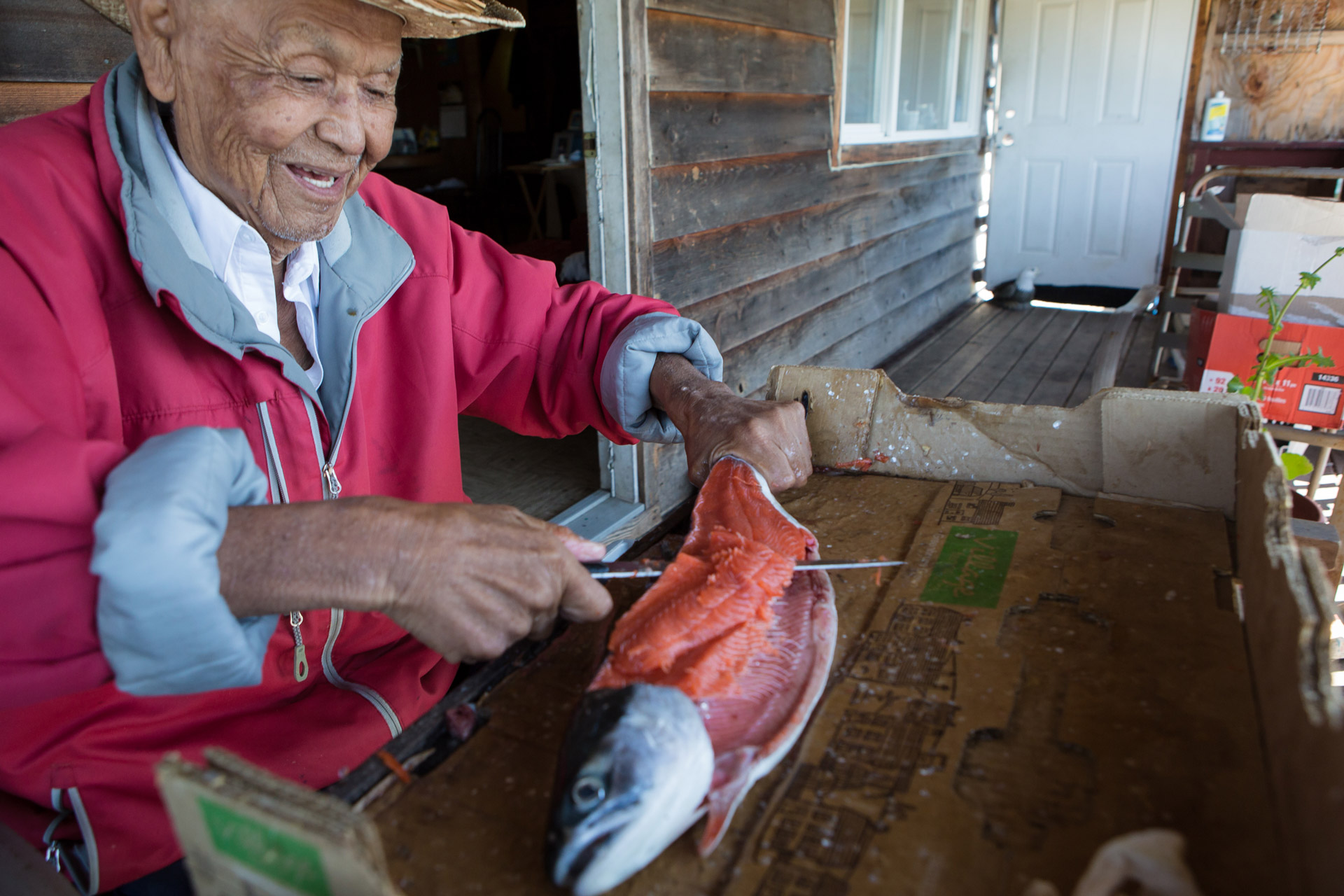
March is National Nutrition Month, and we are excited to launch the First Nations Health Authority's (FNHA) annual Food is Medicine wellness campaign. Throughout the month, we celebrate and uplift the many ways food connects us to culture, land, and traditions, a wholistic view of wellness that First Nations people have embraced since time immemorial.
Food plays a unique and powerful role in the lives of First Nations people. It's about more than “eating healthy." It's about exploring our connection to food and the ways we harvest, gather, cook, eat and share it, while honouring our relationships with people, lands, waters, plants, and animals.
This year's campaign highlights seasonal foods, land-based teachings, and culturally rooted practices that nourish the whole person—body, mind and spirit. Throughout the month, FNHA's Wellness Team will share stories, videos, workshops, and teachings about food from a First Nations perspective.
Across the province, Nations and communities are strengthening traditional food initiatives, food sovereignty, food security, nutrition, and healing through food. We look forward to sharing and celebrating these efforts.
We invite you to join us in celebrating the wisdom that food is medicine, today and every day. This month, we will host several conversations about food that highlight community stories, honour cultural teachings, and support wellness across generations.
- March 19: Rachel Greening and Fiona Devereaux, leads of the Food is Medicine Cooking Show, share connections between the show, recipe books, and lived food practices. Register here.
- March 25: Braden Etzerza, Jared Qwustenuxun Williams, and Dawn Morrison, co‑authors of the Social Consequences for COVID‑19 and Climate Change on Indigenous Food Security and Food Sovereignty report, reflect on what has changed—and what continues to evolve—across Indigenous food systems. Register here.
- March 26: Tamara Ketlo will share her experience and work around food as medicine, equipping community with the knowledge and tools to help heal themselves. Register here.
We encourage you and your families to try new foods, create new recipes and alter old ones. Spend time together sharing the teachings that come with preparing food to nourish your wholistic wellbeing.
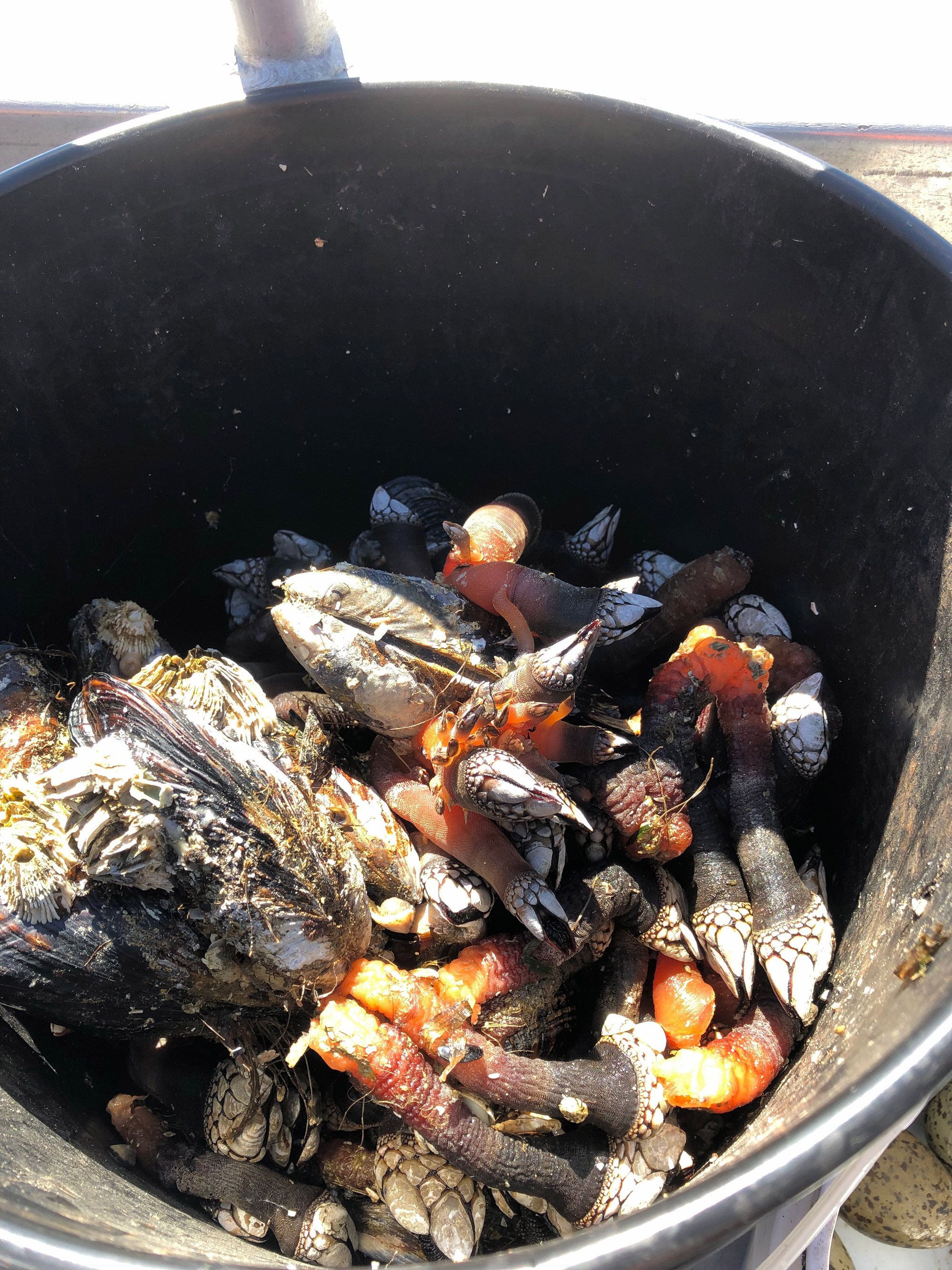
Here are some additional ideas for Food is Medicine Wellness month:
- Try one of the delicious recipes from the Food is Medicine Cookbook. The cookbook was co-developed by FNHA and Indigenous Sports Activity and Recreation Council's (I-SPARC).
- Sit with an Elder or knowledgeable community member and learn more about the traditional foods and medicines in your territory, and how to harvest them in a good way.
- Eat more fruit, vegetables and wild berries. Frozen fruits and vegetables are just as healthy and often more cost-effective and accessible than fresh produce.
- Take part in harvesting activities on the land, such as fishing, hunting, trapping and canning. Check out FNHA's Traditional Food Fact Sheet and the Canning Guide for wise practices and helpful tips!
- Read (and listen to!) the Common Language Project Report, which explores First Nations perspectives on traditional foods, medicine and nutrition across the five regions.
Wishing everyone a mindful March filled with nutritious food and good medicine! We look forward to seeing you at one of our many conversations.