The First Nations Health Authority (FNHA) joins communities across Turtle Island and around the world in recognizing World Water Day (March 22), an annual United Nations (UN) observance focusing on the importance of protecting fresh water. This year's theme, “Water and Gender," recognizes that the global water crisis disproportionately affects women and girls, who often shoulder the daily burden of collecting water while having limited say in decisions about how water is managed.
Women play a vital leadership role in water governance and stewardship in many First Nations communities and within the FNHA.
“Traditionally, we held the sacred responsibility of being water carriers, protectors of this living spirit, and guardians for future generations," says Stephanie Tooke, a member of Bigstone Cree Nation and FNHA Regional Manager of Environmental Public Health Services.
In her role, Stephanie works closely with First Nations leadership across BC to provide advice and guidance on a wide range of environmental health topics, including drinking- water safety and water system management.
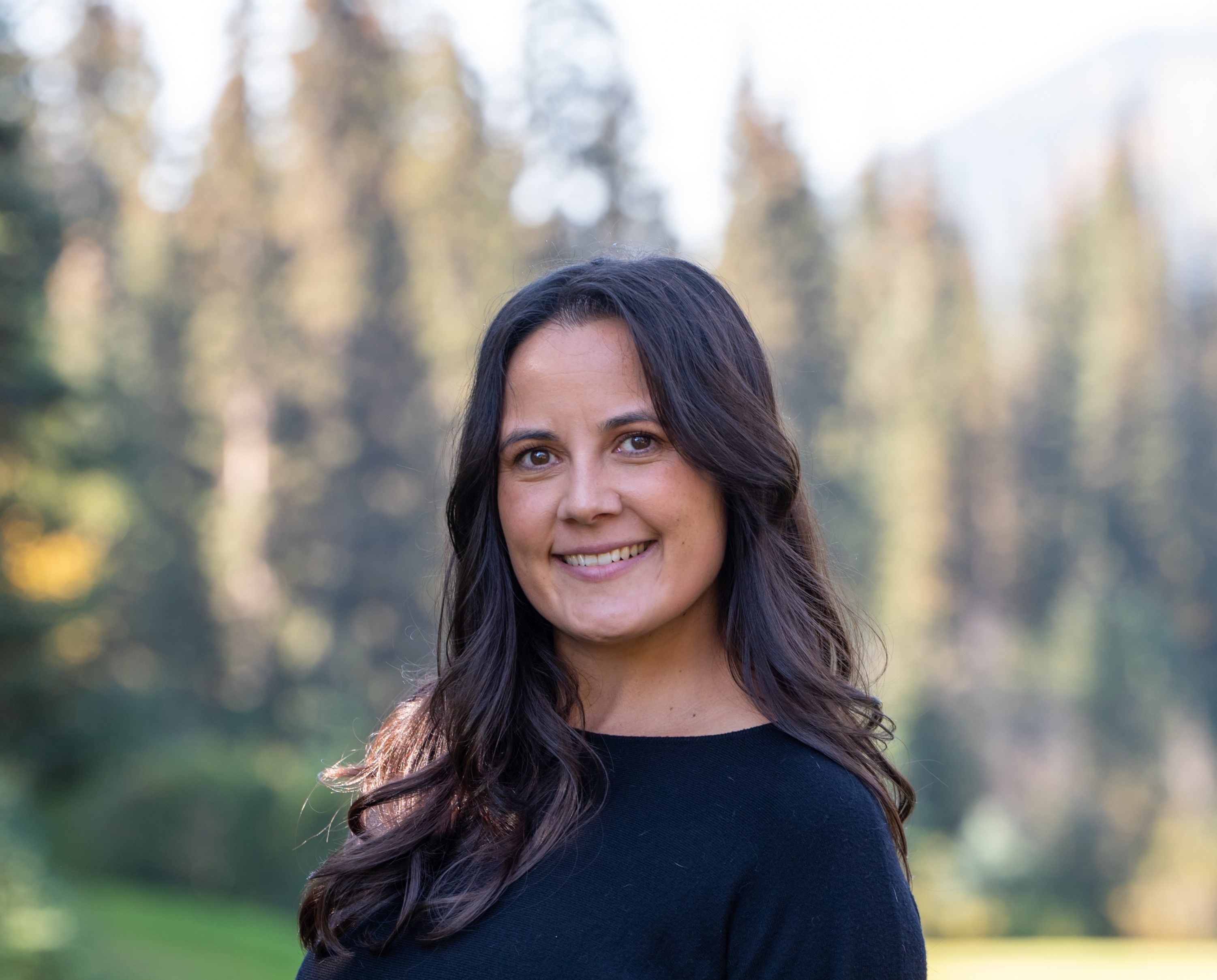
Stephanie brought First Nations perspectives on water, health, and gender equality to a global audience at the UN's Climate Change Conference in 2023. As FNHA's representative, she spoke about the importance of Indigenous teachings, perspectives, and leadership on water and climate resilience. These teachings emphasize that water is life, and a sacred, living being that protects us in the womb, nourishes our bodies and lands, and sustains all medicines, plants, and animals.
Across BC and around the world, climate change is making it harder for communities, especially those in remote areas, to access safe, clean drinking water. Heavy rainfall and flooding can wash dirt and germs into lakes and rivers, overwhelming small water systems and making treatment more challenging. Human pressures on freshwater systems—rivers, lakes, and groundwater—are intense and rising, driven by population growth, urbanization, and agricultural expansion. At the same time, extended droughts and shrinking snowpacks mean we have less water even as our need for it continues to grow.
First Nations ways of caring for the land remind us that water is not just a resource -- it is inseparable from the land, our communities, and our spiritual and physical wellbeing. The relationship between First Nations peoples and water is deep, enduring and reciprocal.
By honouring First Nations knowledge, uplifting women and girls as water leaders, and protecting water sources today, we can build a healthier, more resilient future. Together, we can ensure that clean, safe, and reliable water is always available for our families, our communities, and future generations.