First Nations teachings remind us that strong relationships support mental wellness, body, mind, heart and spirit
A message from Dr. Nolan Hop Wo, Mental Health and Wellness Officer; and Duanna Johnston‑Virgo, Executive Director, Mental Health and Wellness
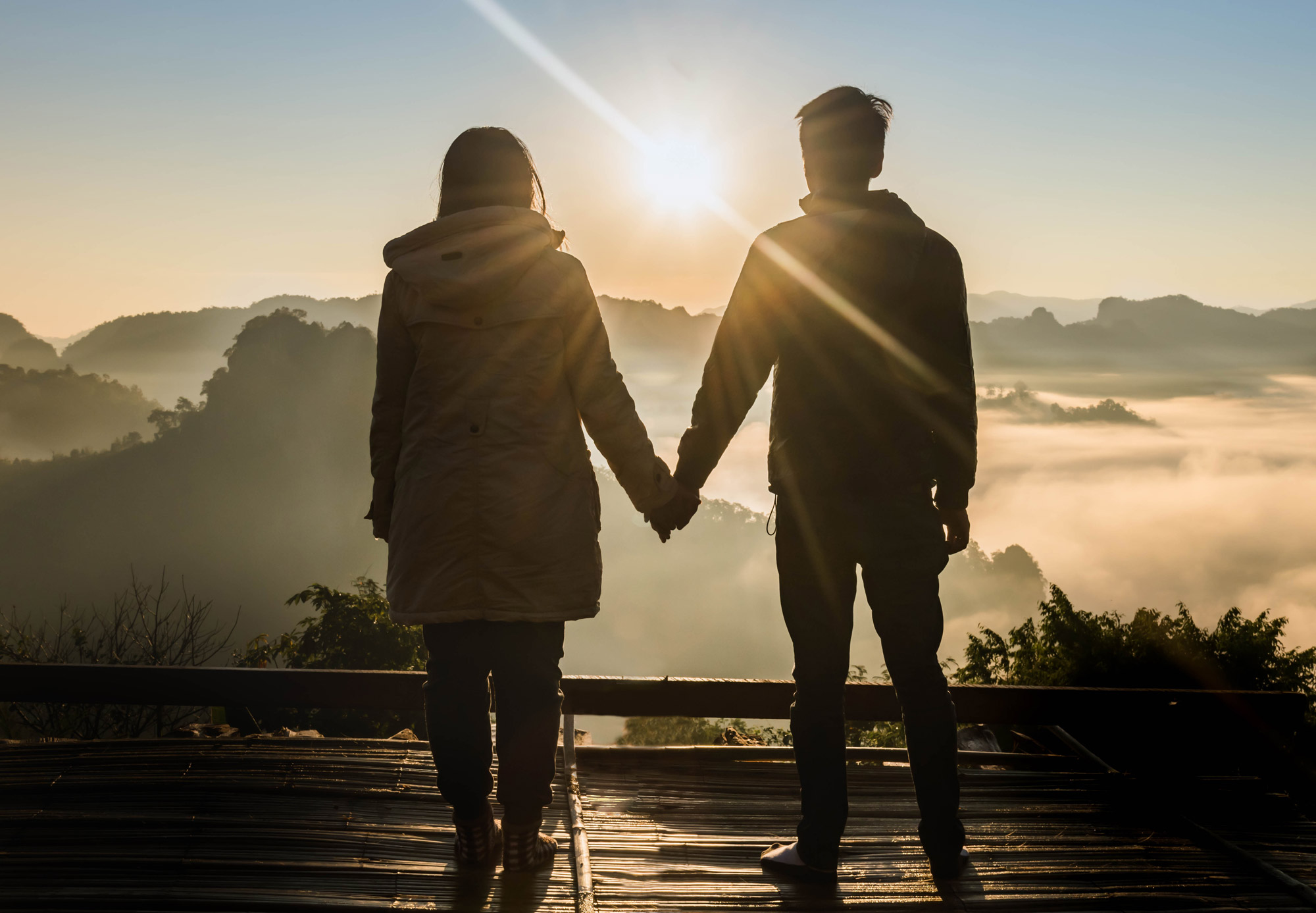
For First Nations people, wellness is wholistic, with an emphasis on caring for the whole person and being healthy in body, mind, heart, and spirit. Our cultures teach us that strong connections—to one another, to the land, to culture, and to the spirit world—are essential to our mental wellness. These connections are reflected in the way we gather in ceremony, celebrate together, and stand with each other through life's challenges. They are woven into the fabric of who we are as people, families, communities, and Nations.
Canadian Mental Health Week, which takes places May 4-10, encourages Canadians to build strong connections, a message that is already rooted within First Nations ways of knowing.
Our ancestors have long shared teachings about common feelings like loneliness, anxiety, and depression. They understood that connection—in all its forms—is medicine, and is fundamental to our ability to cope. “Relationality," the concept that all things—people, nature, animals, the spiritual world—exist in constant, interconnected relationships rather than in isolation, is central to the Indigenous worldview. It promotes community, respect, kinship, accountability—a "relational weave" that supports life and sustainability.
Connections are so important that a small gesture can make a big difference. It might be something as simple as saying to a friend or a family member, “Come sit and have a tea before you go." If we're carrying something heavy in our hearts and minds, talking to somebody else can be healing. After sharing that cup of tea and having a good conversation, our mood often lifts, our energy returns, and our mind feels clearer because we feel seen, supported, and heard.
Spending time on the land or in the water can also be healing. Activities such as going for a walk, swimming in a lake or the ocean, or picking medicines, bring us into the present moment while connecting us with our past. They reconnect us not just to the land but to our ancestors, our culture, and our sense of identity— all foundations of our mental wellness.
Alongside cultural practices, simple daily steps help care for our mental health. Creating routines that include rest, movement, time on the land, and moments of connection can help ground us during difficult times and energize us in moments of joy.
The connections we build and strengthen today support healthy, self‑determining, and vibrant First Nations children, families, and communities. By caring for ourselves and one another, we honour our ancestral teachings and create a future where our people continue to thrive.
If you need support, you are not alone
FNHA is committed to providing culturally safe and trauma-informed emotional and mental health services to First Nations people in BC. If you or someone you know is going through a difficult time, learn more about supports that are available here.
FNHA also provides dedicated mental health and wellness supports for First Nations youth. Learn more about youth-specific resources.