SȾÁUTW̱ First Nation and FNHA host gathering for tackling climate impacts on health and wellness
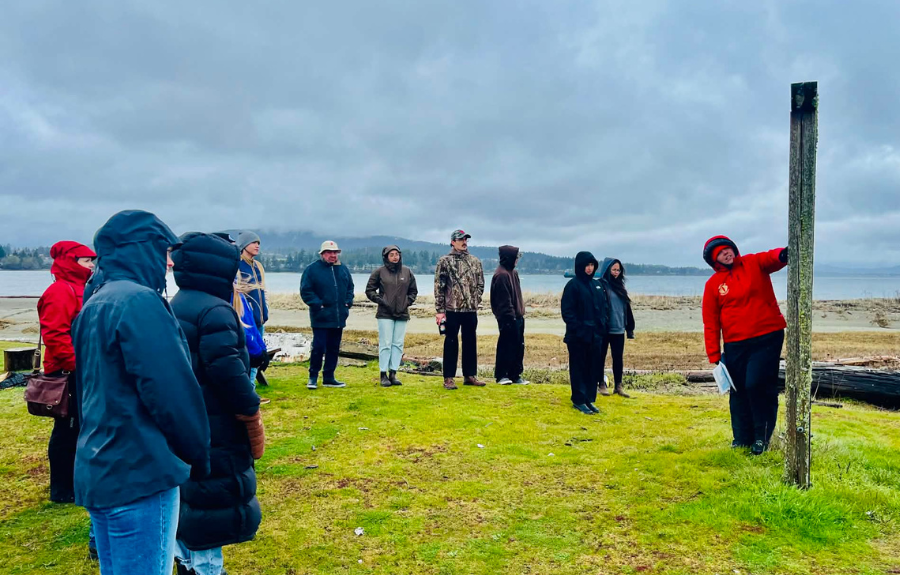
Jennifer Claxton, ĆȺSEMOT (Chay-se-mot), leads cultural tour at TIXEN, SȾÁUTW̱ territory
In W̱SÁNEĆ (Saanich) teachings, the 13 moons of the year guide preparation for each coming season. NINENE, the moon of the child and the W̱SÁNEĆ lunar new year, marks the rebirth of the animal world. WEXES, the moon of the frog and keeper of the sacred season, is a time to gather foods and medicine.
“When I started here, traditional knowledge was a missing piece," says Jennifer Claxton (ĆȺSEMOT), Reef Net Revitalization Project Coordinator at SȾÁUTW̱ (Tsawout) First Nation, one of five W̱SÁNEĆ communities on Vancouver Island. “If we can base our programming around the 13 moons, especially food sovereignty, that's a great start."
On March 10–11, up the trail from the Saanichton Bay where the frogs could be heard awaking from their winter sleep, 12 Climate Health Action Program (CHAP) project teams representing communities from all five regions gathered to share wise practices at the CHAP Knowledge Exchange Workshop.
Climate resilience interwoven with health and wellness
First Nations Health Authority (FNHA) is supporting the health and wellness of communities across the province in the face of climate change through CHAP. The program funds projects that tackle a range of issues including food sovereignty, extreme weather resilience, skills training and traditional knowledge transfer.
“Conversations that we've had with First Nations have painted a picture about the ways climate change is influencing the full scope of environmental and social determinants of health," says Maery Kaplan-Hallam, FNHA Senior Specialist, Climate Change and Health. “We're learning what it means to support communities in the face of these changes."
The CHAP Knowledge Exchange Workshop offers an opportunity for CHAP project teams to share learnings, strengthen relationships, and build a collective sense of momentum through being together on the land and in community.
Improving food security, protecting health, and safeguarding cultural practices
On Vancouver Island, sewage biotoxins have prevented generations of W̱SÁNEĆ families from harvesting culturally important shellfish. With CHAP support, SȾÁUTW̱ First Nation is surveying clam beds, testing for contaminants and assessing health risks to determine when and where clams can be safely eaten again.
“Growing up here in Tsawout I never harvested shellfish," says Claxton. “Having initiatives to restore our clam gardens is powerful because when we're looking at climate change, we want to ensure that we have enough food and sustenance for future generations."
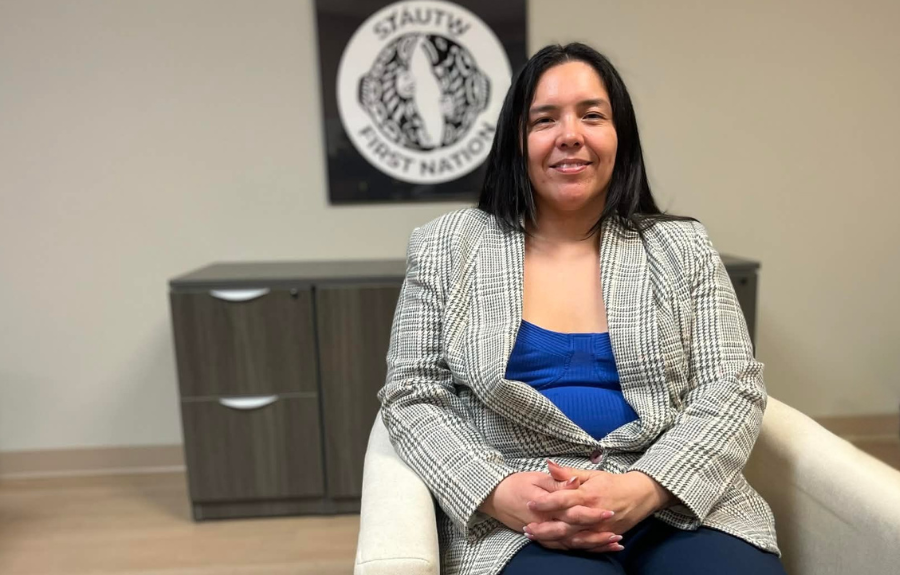
Jennifer encourages other First Nations considering similar projects to reach out to SȾÁUTW̱.
Farther north on the island, the Nuu-chah-nulth Youth Warrior Family Society is restoring traditional seafood gardens. Featuring rock walls built to raise and level naturally sloping clam beaches, these gardens are sacred places where Nuu-chah-nulth families have gathered for food, social, and ceremonial purposes for generations.
“My territory is in a tsunami zone and we're also pretty remote," says Andrew Clappis, member of the Youth Warrior Family. “If the road gets closed or if any natural disasters happen, we will still have that big food source of clams."
One garden sits within his family's traditional territory, bringing deeper meaning to the restoration work.
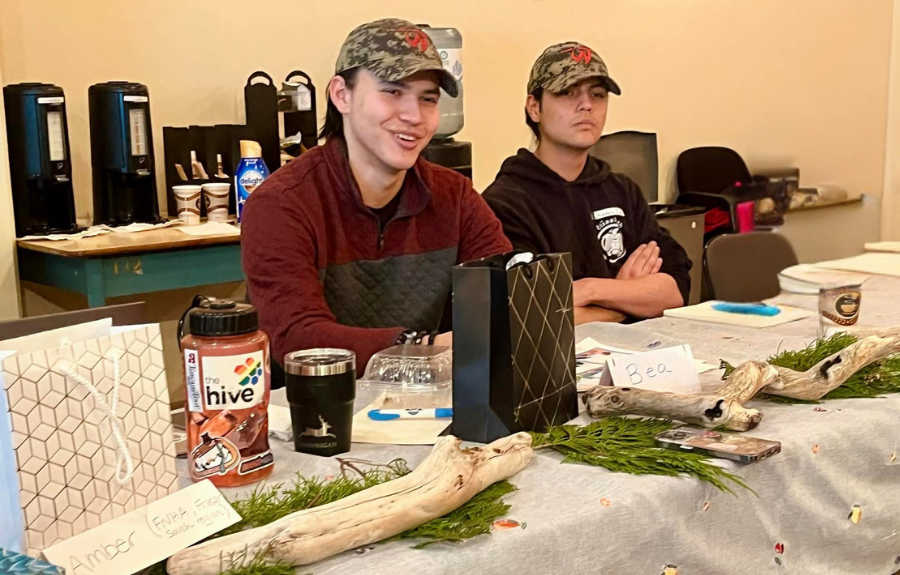
Andrew Clappis (left) and Chance Fred, members of Nuu-chah-nulth Youth Warrior Family Society
Learn more about CHAP projects
FNHA has supported climate health projects in 77 First Nations communities across the province. The next call for applications is expected to open in early summer 2026. Community climate action projects and initiatives are important, and there are many ways to start. To learn more, visit FNHA's CHAP webpage or contact climate.health@fnha.ca.
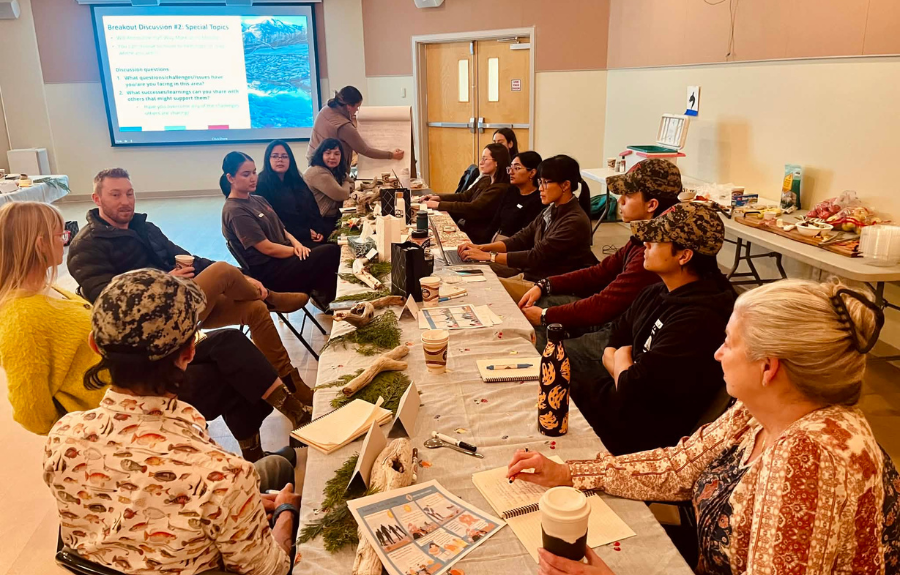
A breakout session at 2026