When Helicopters Without Borders first touched down on the remote village of Gwa'yas'dums (Gilford Island), it was carrying more than health service providers. For the remote Kwikwasut'inuxw Haxwa'mis First Nation it marked the beginning of bringing essential health care services closer to home.
Gwa'yas'dums is a small, isolated village located between Tribune Channel and Knight Inlet. Like many remote First Nations communities, its geography can create barriers to timely access to health services. Weather, transportation limitations and infrastructure challenges often mean that care is not always as accessible it should be.
For Chief Rick Johnson of the Kwikwasut'inuxw Haxwa'mis First Nation, he wants to change that reality. The arrival of Helicopters Without Borders reflects years of intentional leadership and community-driven advocacy.
“Community advocacy has been a goal of the Kwikwasut'Inuxw Haxwa'mis leadership for several years," he said. “Helicopters Without Borders has long been a community vision, built through unity and many years of collaboration. With our new helipad, we are now able to bring in many medical professionals."
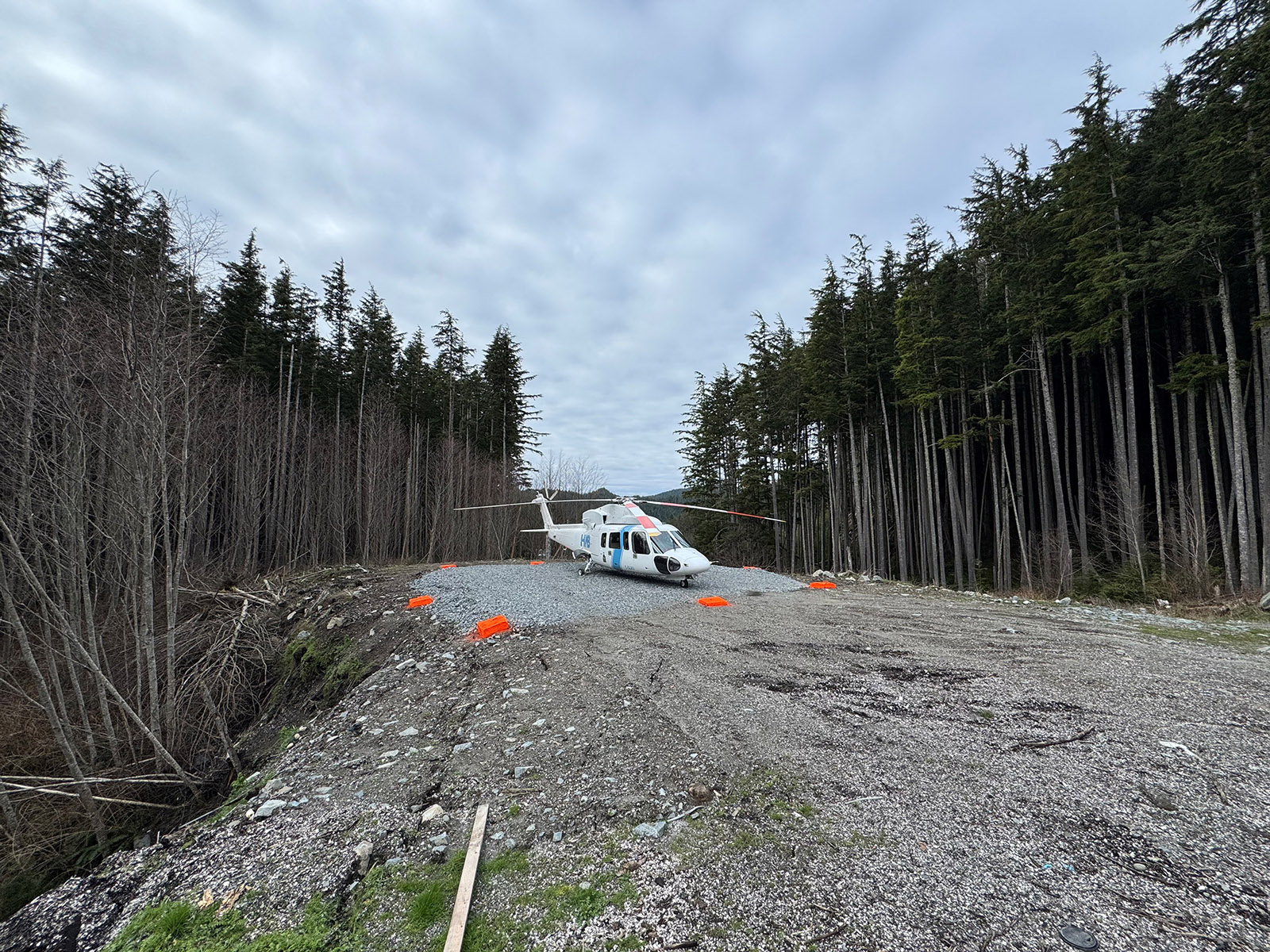
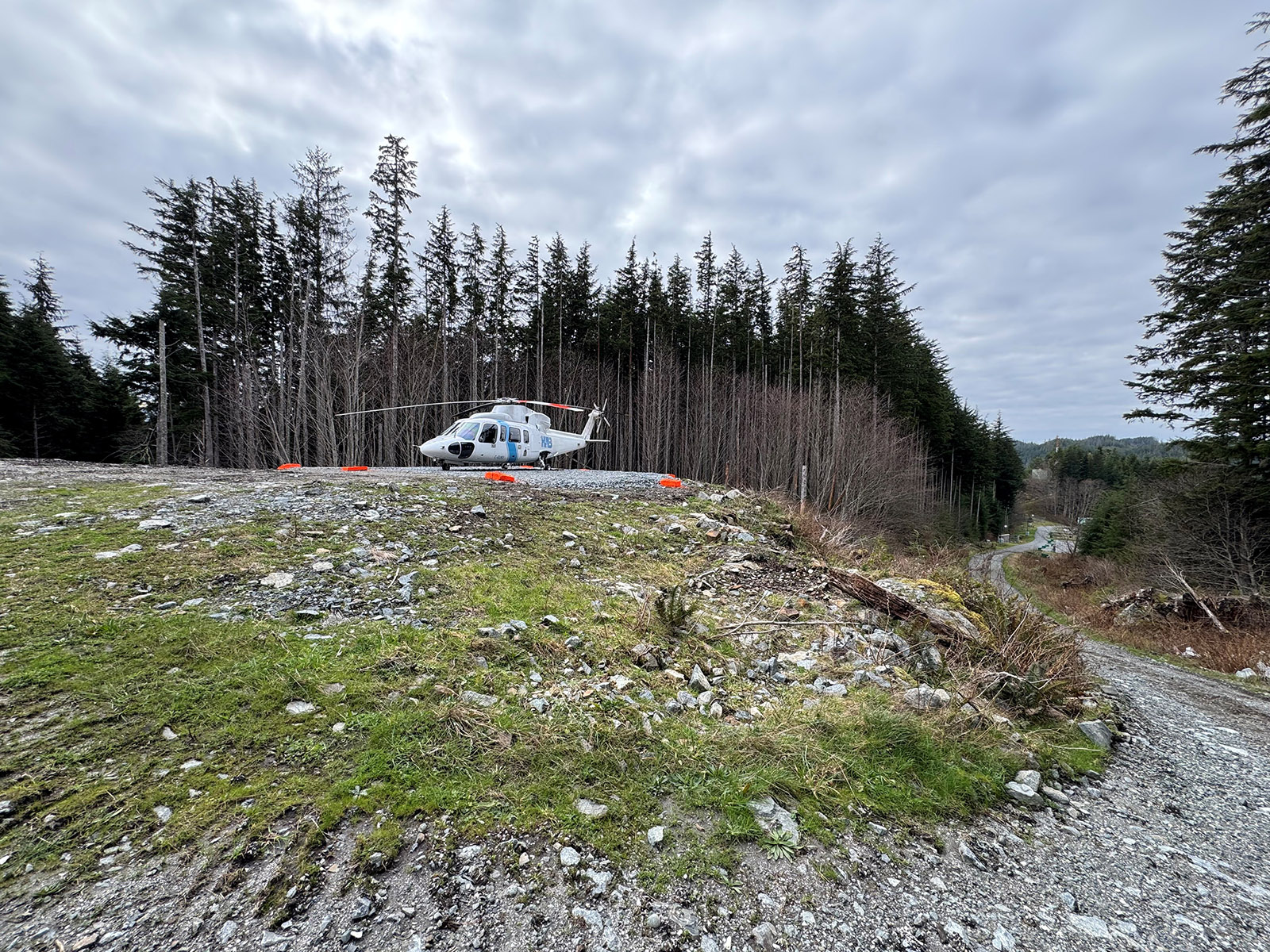
Years of collaboration between Kwakwaka'wakw Family communities, Chief and Council, FNHA and regional partners led to this milestone. An FNHA-supported heliport assessment in Gwa'yas'dums in December 2023, laid the ground work. Over the next two years, FNHA worked alongside the community to clear and prepare an interim heliport site, enabling Helicopters Without Borders to safely land a larger helicopter. This allowed for expanded primary care access, team-based care and strengthened emergency response.
“The flight into Gwa'yas'dums reflects what is possible when community leadership, FNHA and Helicopters Without Borders work together toward a shared goal," said Owen McClung Sitnam, CEO of Helicopters Without Borders. “We are proud to be part of a partnership that is bringing care closer to home."
For Tanille Johnston, FNHA director of family‑based programs and services, ensuring rural and isolated populations are receiving services in an equitable way is key.
“This expanded helipad allows team-based care to be a reality for the Kwikwasut'inuxw Haxwa'mis living on Gilford Island," she said.
Another partner in the project is Colliers Project Leaders, which, under FNHA's direction, helped shape the assessment approach and provided project management support.
“From participating in the initial site assessment to witnessing the first HWB flight land in the community, this project has been especially meaningful," says Scott Bailey, project lead with Colliers Project Leaders. “Seeing firsthand how this work directly benefits the community in so many ways has been inspiring and very rewarding."
The Feb. 18, 2026, landing in Gwa'yas'dums marked the first time Helicopters Without Borders used the interim heliport to bring health service providers directly into the community. Over the past three and a half years, FNHA has supported 24 heliport assessments in First Nations communities across BC, strengthening access to services in rural and remote Nations.
As more remote First Nations explore options to strengthen local access to care, FNHA's heliport assessment program offers a pathway forward. Interested communities are invited to connect with FNHA to learn how assessments are initiated and what supports may be available.
Learn more about Helicopters Without Borders: