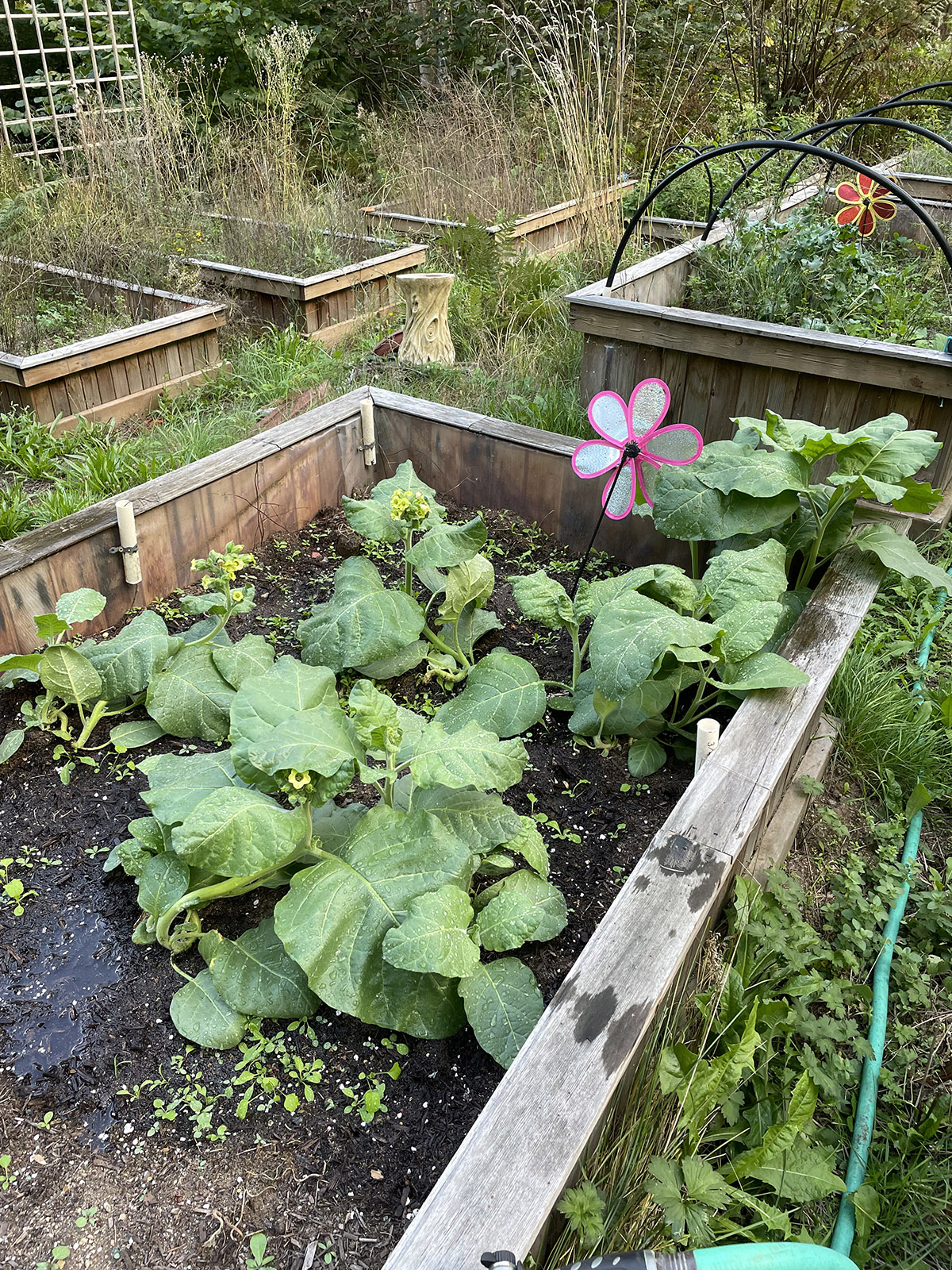
On World No (Commercial) Tobacco Day (May 31), First Nations Health Authority (FNHA) staff are sharing the strength and healing that comes from growing, preparing and learning about traditional tobacco in a good way.
Across FNHA, staff are reconnecting with traditional teachings by growing their own tobacco. Their gardens, balconies and community plots are becoming places of learning, grounding and cultural renewal.
Traditional tobacco as medicine
Traditional tobacco has been used by First Nations in BC since time immemorial as a sacred medicine that supports physical, mental, spiritual and emotional wellness.
The tobacco plant has many different names and uses among First Nations in BC. For many Nations, it is a sacred plant with significant healing and spiritual value. It is often used in ceremony, prayer and offerings. For these reasons, tobacco is treated with great respect.
Watch this video to learn more about the differences between traditional and commercial tobacco.
Why grow traditional tobacco?
We asked FNHA staff why they grow traditional tobacco. Here's what they shared:
“I grow tobacco to honour its traditional significance as a sacred medicine used in ceremony, prayer and offerings. Engaging with the plant in this way helps me stay grounded in its origins and informs how I approach my work in a good way with care and respect."
- Megan, Wei Wai Kum First Nation
Tobacco Coordinator, Fraser Salish Region
“I started growing my own tobacco because I found it hard to find traditional tobacco through my community on short notice. My family was going through a difficult time, and we needed some traditional tobacco to pray with to ask the ancestors and creator for strength and guidance. It was then that I decided it was important for me to learn how to grow tobacco and sweetgrass so I can help others when they are in a situation like mine."
- Asta, Cree and Métis
Manager, Wellness Initiatives
“I'm growing tobacco for the first time this year to learn more about traditional tobacco. I want to learn how tobacco grows from seeds and how to prepare tobacco into medicine bundles so that I can better support communities. I also want to have tobacco available as offerings for when ceremonial work is done, so that I can be prepared."
- Shae, Gitxsan & Métis Nations
Tobacco Consultant
Tips for growing your own traditional tobacco
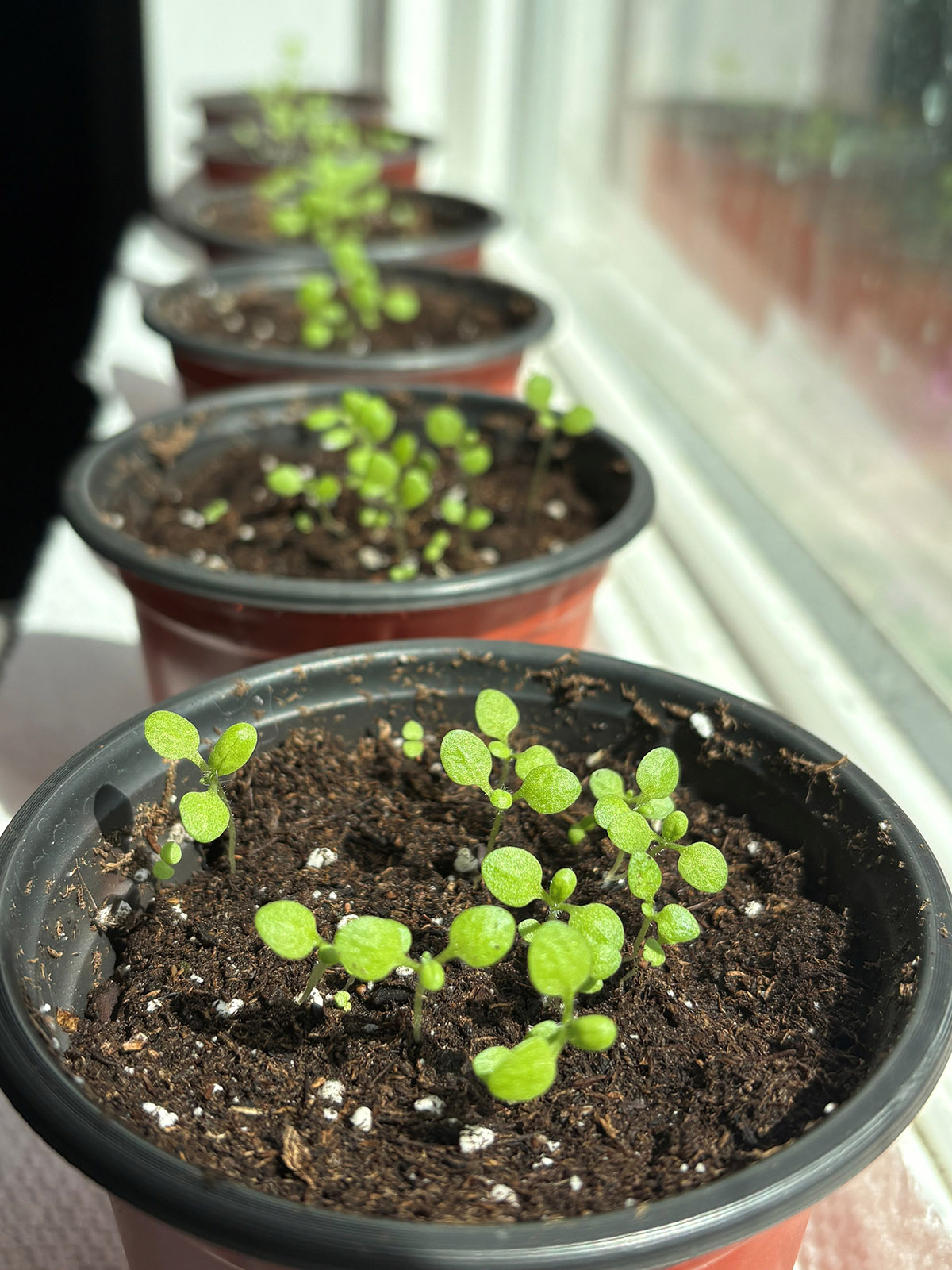
Traditional tobacco can be harvested in the wild in some parts of the province. It can also be grown at home or in community gardens.
Plants are typically started indoors in small containers between mid-March and May. After the last frost, and once plants reach at least six inches tall, they can be moved outside to acclimate. Timing will vary depending on your location and frost conditions.
To grow well, tobacco need three things: light, warmth and water. Cold temperatures can stunt growth, so avoid keeping them in cool environments.
Harvesting typically happens around September, when the leaves begin to get yellow around the edges.
After harvesting:
- Hang leaves or lay them flat in a cloth wrap
- Turn them daily to support even drying
- Expect leaves to turn yellow-golden as they dry
Wear gloves when handling fresh leaves, as nicotine can be absorbed through your skin. Once fully dried, the tobacco is ready to be used in ways that support your wellness.
Learn more about respecting tobacco
To learn more about traditional tobacco and its role in First Nations wellness, visit FNHA's Respecting Tobacco page.