While ALS is incurable, there are supports to make living with the disease more manageable
A message from Dr. Evan Adams, FNHA Deputy Chief Medical Officer
Being prepared for life's challenges, including serious health conditions, can make a difficult journey a little easier. Knowing the early signs and symptoms of disease can support earlier diagnosis, treatment, and planning for individuals and families.
June is ALS Awareness Month, a time to learn more about Amyotrophic Lateral Sclerosis (ALS), highlight available supports, and honour those we have lost. ALS, also known as Lou Gehrig's disease or motor neuron disease, is a condition where the brain becomes unable to communicate with the muscles. Over time, ALS reduces a person's ability to walk, talk, eat, swallow, and eventually breathe.
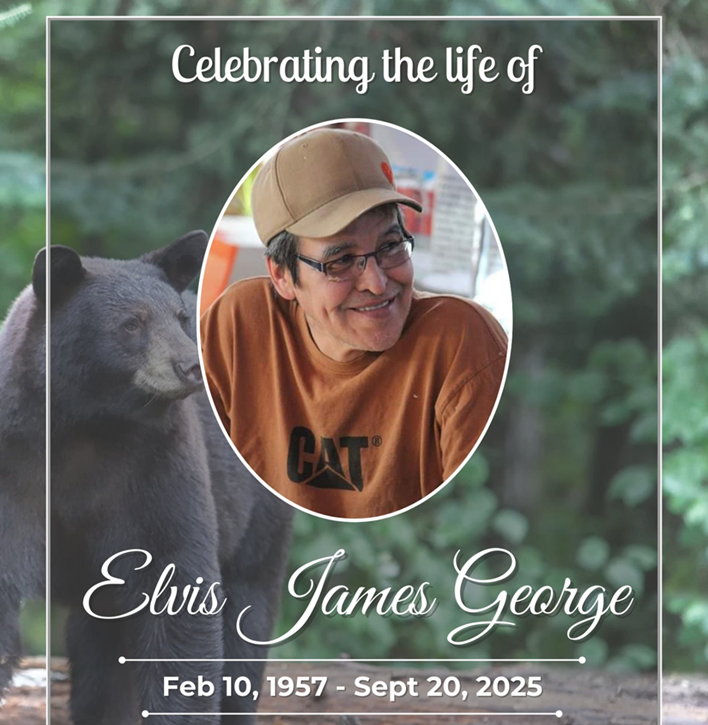
In Memoriam: Elvis James George (1957-2025)
When Elvis George was diagnosed with ALS in June 2025, his family had never even heard of the disease. His eldest daughter, Carlene George, remembers the shock clearly.
“We would have never in a million years thought this was going to be Dad's end-of-life journey," she recalls.
Elvis had always been active—hiking, walking, and caring for his grandchildren after school. He was a gifted artist and a skilled construction worker who took pride in creating things with his hands. Following his diagnosis, his health declined quickly. Losing the ability to walk, talk, and eat (he had to get a feeding tube for “liquid boosts") within months was devastating for him and for those who loved him.
“Our Dad was the Superhero Grandpa for his three grandsons," said Carlene. “He loved taking them on cruises in his truck and going for drives with our Mom. To see him suddenly not be able to do any of the things he always did was devastating for us all."
During this period of rapid change, an ALS care team, the Penticton Indian Band Health Department, and the ALS Society helped surround Elvis with support—home visits, equipment, and tools to bring him comfort. Carlene recalls that a scooter provided by the ALS Society made him smile because “he felt like he could drive again, at least outside in his yard."
His family also worked to remind him that he was not ALS, he was still Elvis George: a strong, proud Syilx man. And they hope others living with ALS hear that message too.
“I want every person with ALS to know that they are not the disease – they are still them, they are warriors strong enough to battle this disease," Carlene says. “I also want them to be able to receive the best care and the best medication available."
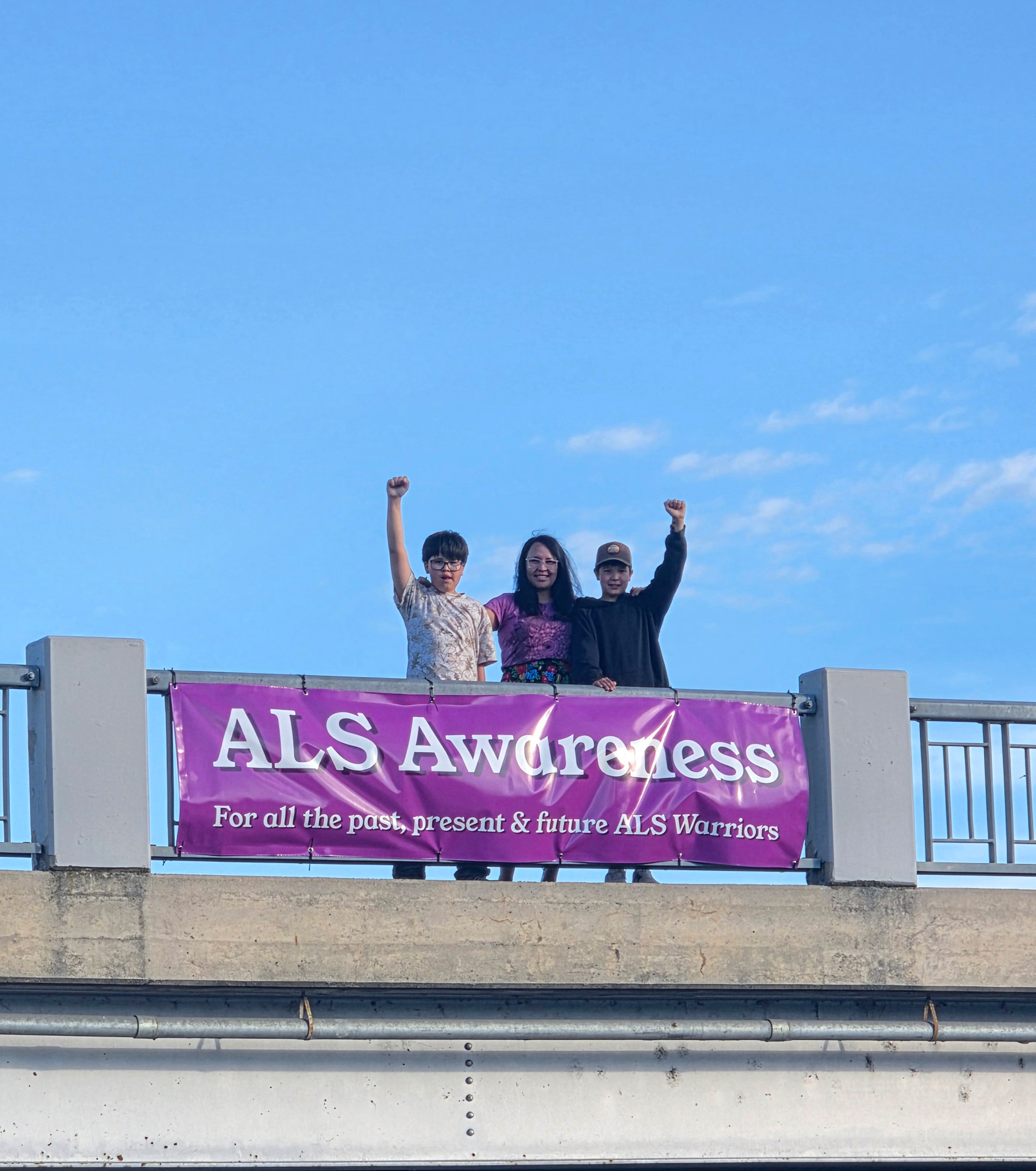
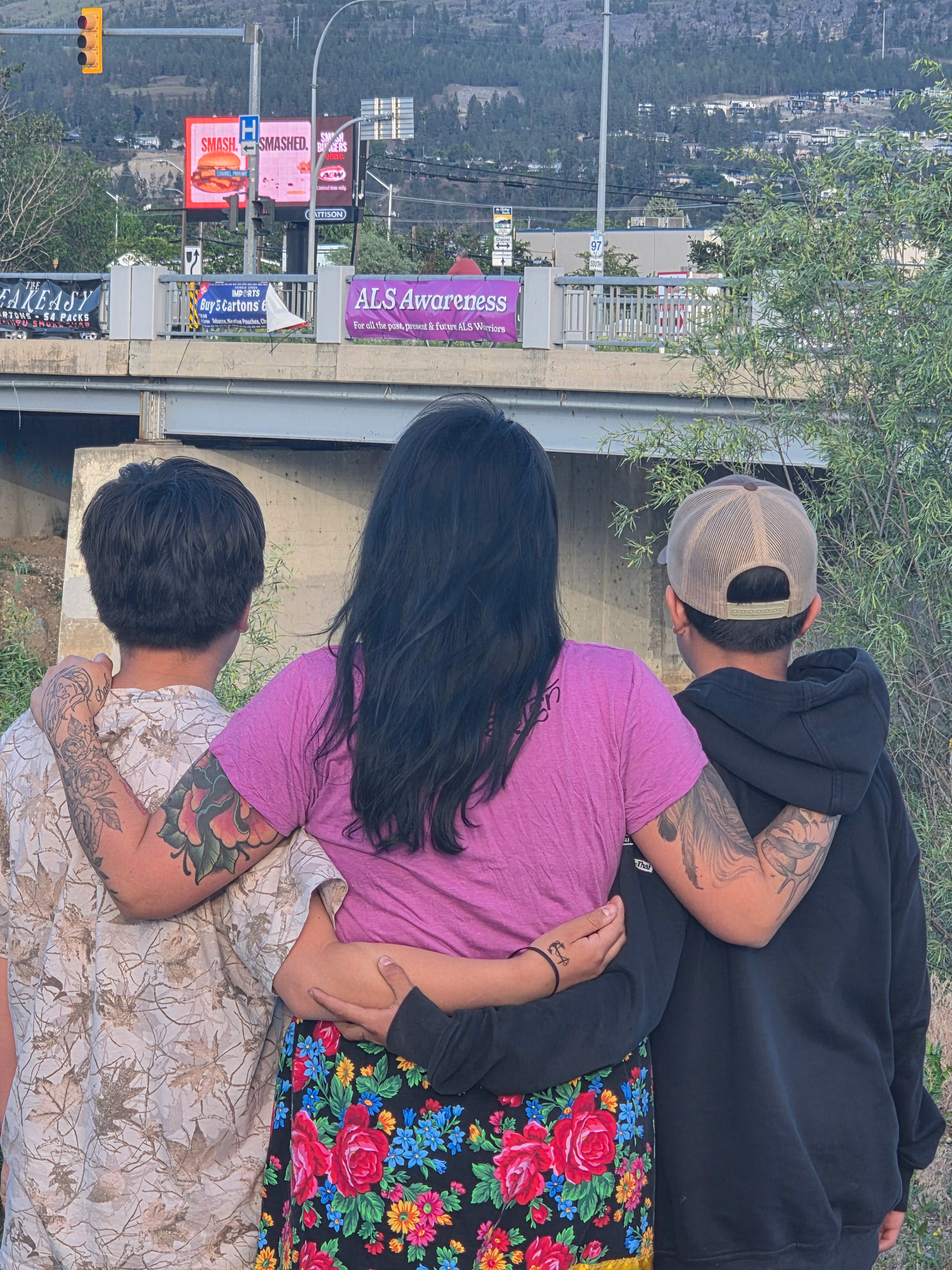
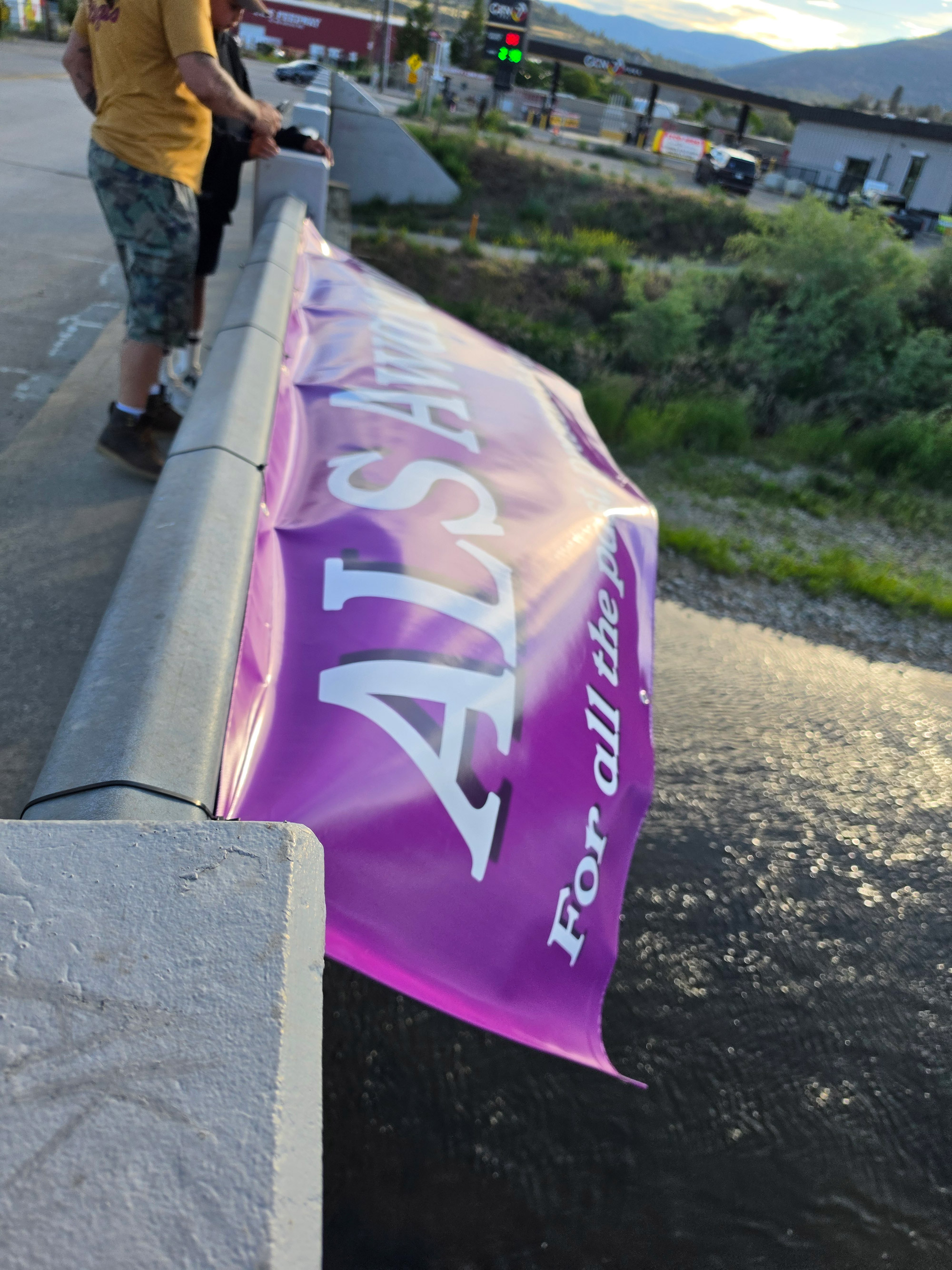
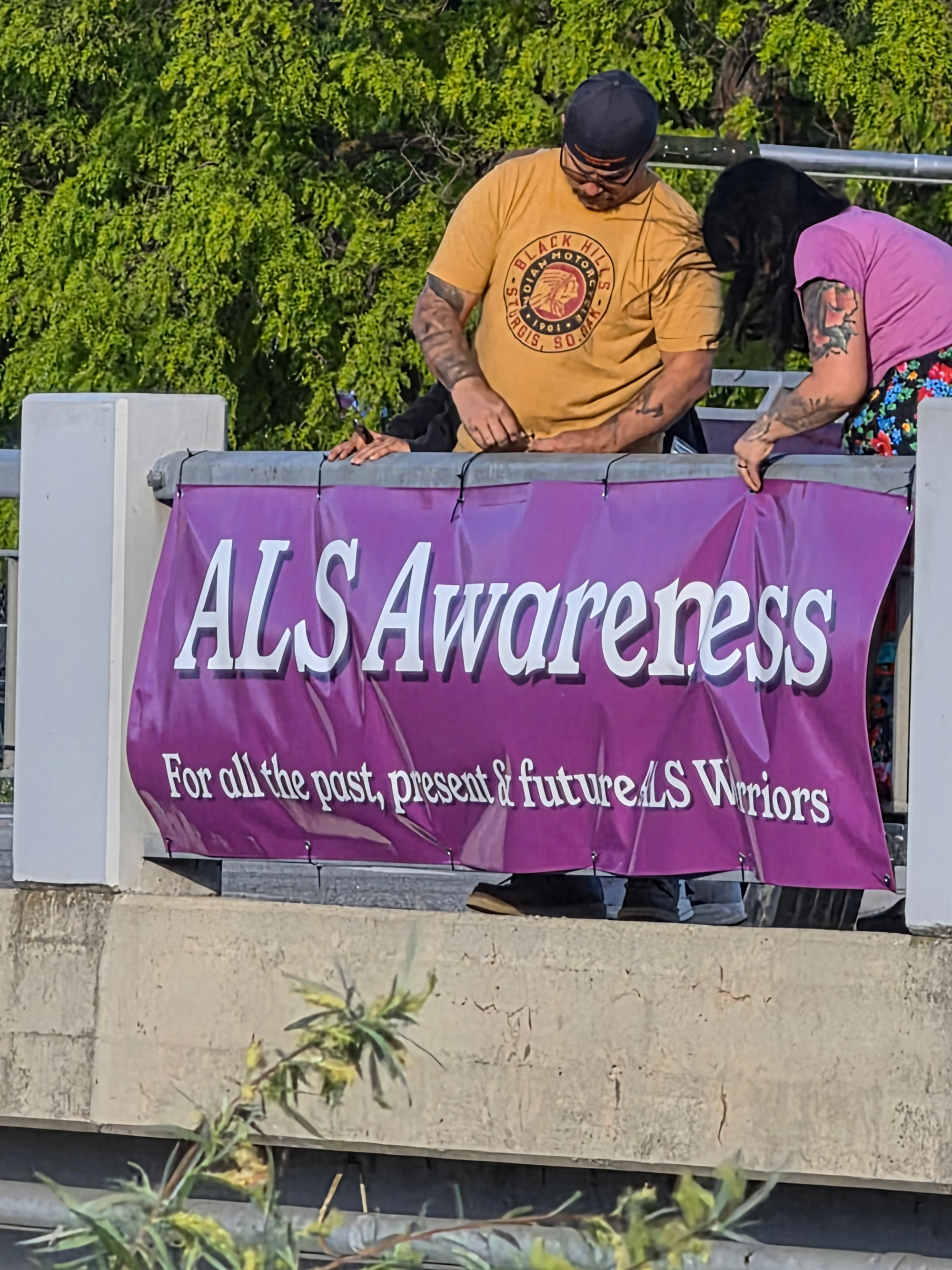
Today, Carlene and her family are determined to make ALS awareness their mission—starting within their own First Nations community.
“We want our communities to know what support exists if they ever receive this life‑changing diagnosis in their families," she says. “There needs to be more education, more workshops, and more open conversations about ALS. It has been left in the dark for far too long."
The FNHA thanks Carlene and her family for sharing Elvis George's story and for working to raise awareness of ALS in First Nations communities.
About ALS
There is currently no known cure for ALS. People living with ALS and their families often rely on a team-based approach to care, along with medical equipment and community supports, to help maintain comfort, function and quality of life.
For more information and supports for people and their families living with ALS, please visit alsbc.ca. Medication is also available to help manage the disease. Contact First Nations Health Benefits at 1-855-550-5454 for questions or treatment.