First Nations across Vancouver Island are leading a new approach to diabetes care, one grounded in culture, community and connection.
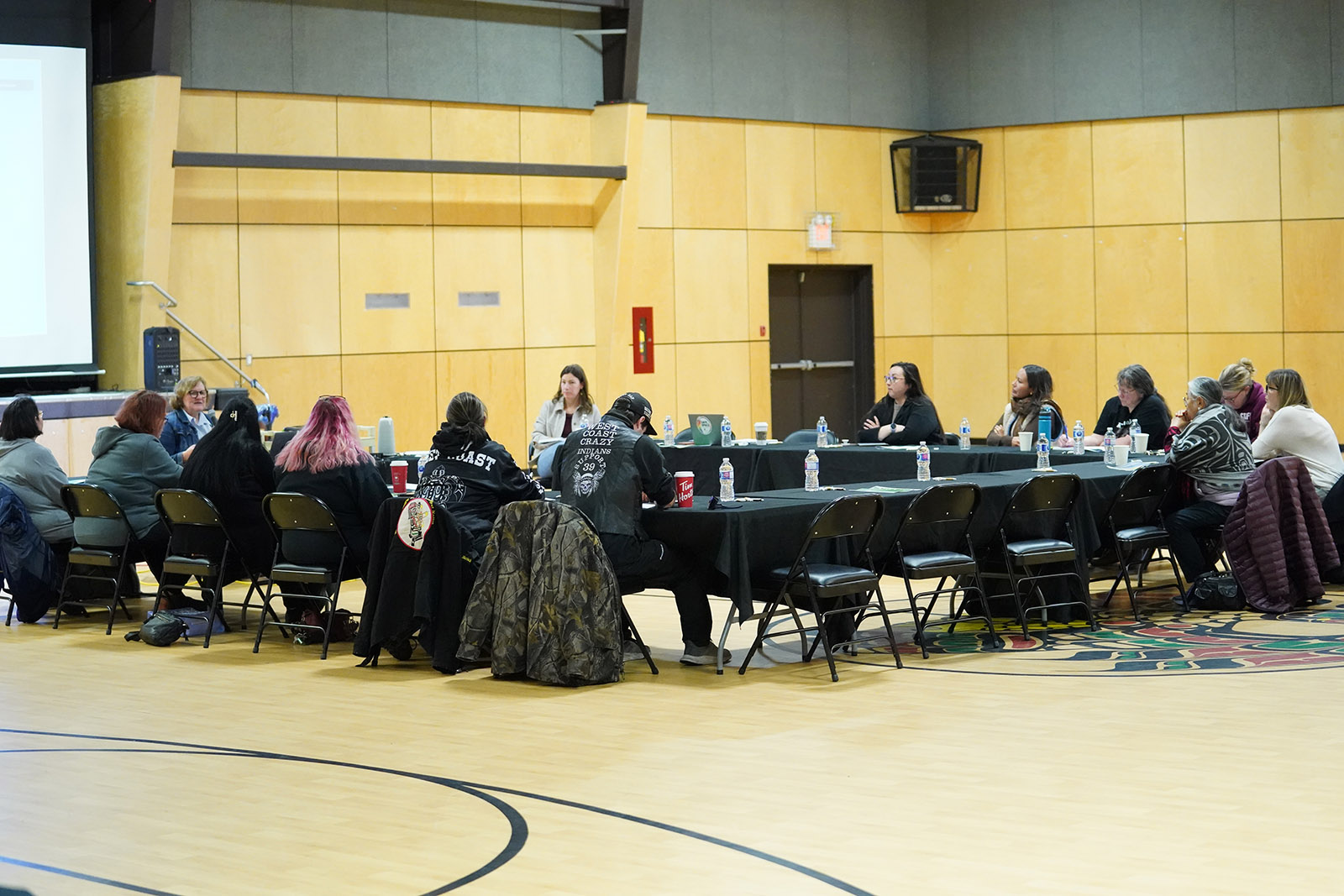
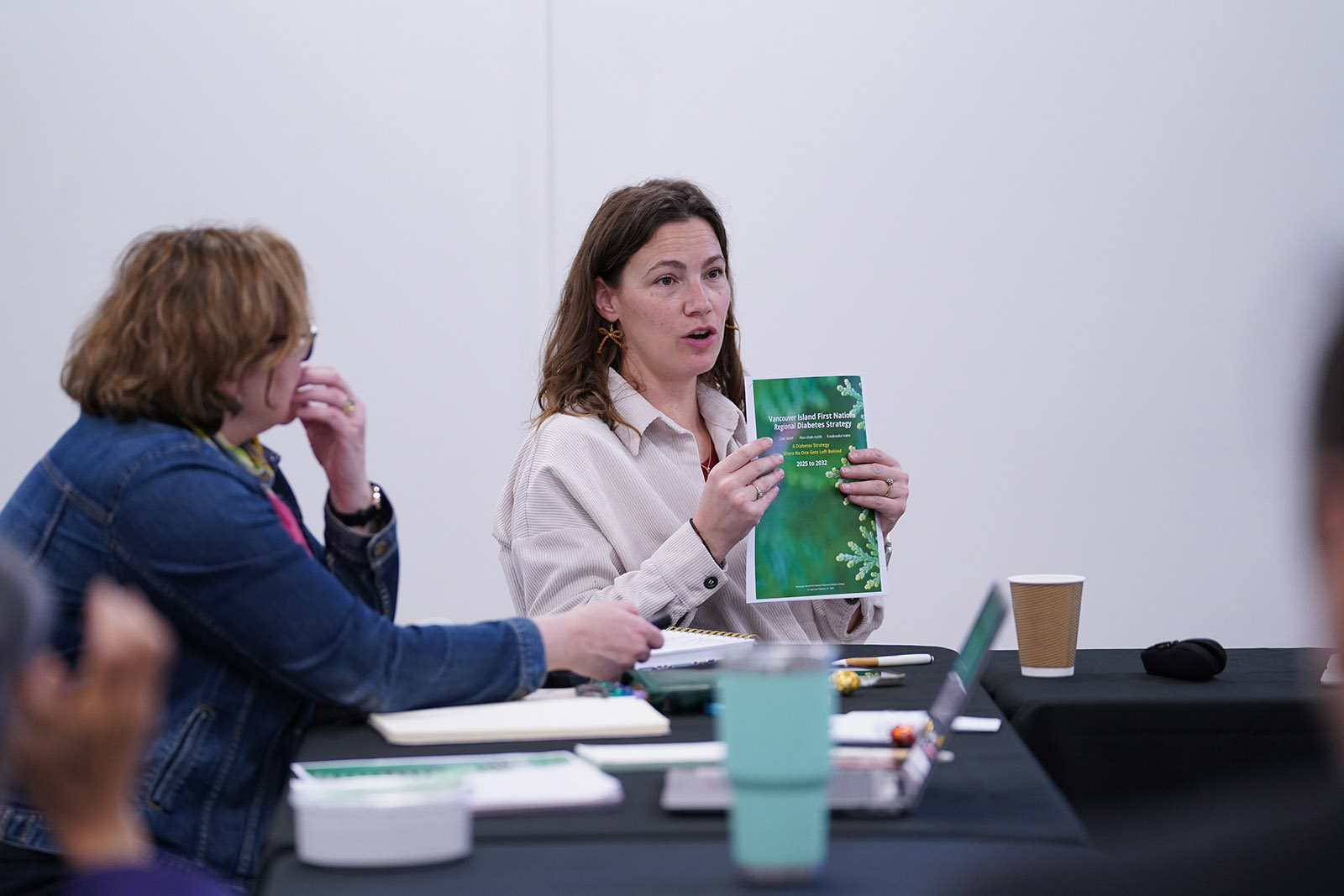
Through four regional gatherings hosted in Uchucklesaht, Snuneymuxw, Wei Wai Kai and Kwakiutl, community members came together with support from FNHA's Vancouver Island (VI) regional team and IDEA Diabetes—formerly Inspiring Diabetes Empowerment Associates—to help shape the VI First Nations Regional Diabetes strategy.
Each gathering carried its own voice, shaped by story, experience and place. There were moments of quiet reflection, laughter and storytelling. Across all four sessions, the care, openness and honesty shared by participants remained constant. So did a clear goal: to create a diabetes strategy where no one gets left behind.
The gatherings created space for community members, health staff, cooks and others to learn more about the Strategy and explore how it could support their own work, families and communities. Across every gathering, a clear and consistent understanding emerged: care cannot be delivered through systems alone. It must begin with relationship.
“Instead of making a report…people would bring something, like a fish and we would help each other," says Wickaninnish (Cliff Atleo Sr.), grounding the work in lived experience and long-standing practices of caring for one another.
Participants spoke openly about the ongoing challenges to accessing diabetes care.
One participant highlighted the divide between urban and rural or remote communities, noting that services available in larger centres are not always accessible locally. Others spoke about long travel times, limited access to specialists and the disruption caused by frequent provider turnover.
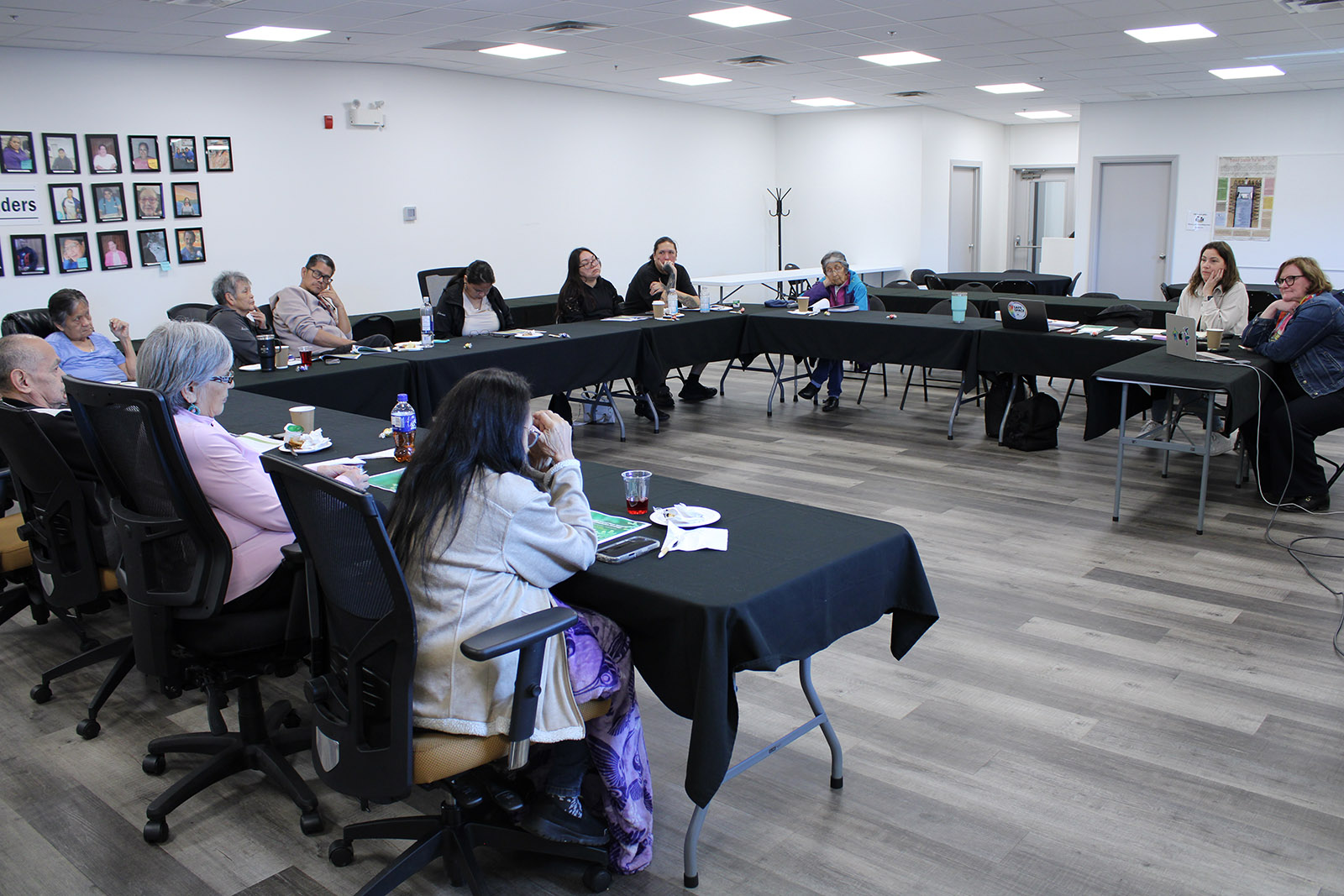
“You finally get somewhere… and then the doctor changes," another participant reflected, an experience many in the room recognized.
For many participants, the dominant narrative around diabetes has too often been shaped by blame, restriction and shame. Through these gatherings, people spoke about the need for a more compassionate understanding of diabetes, rooted in the realities of people's lives.
“It's not your fault," was shared in the sessions, opening space to recognize the connection between diabetes and stress, trauma, poverty and the ongoing impacts of colonization.
People also shared their own experiences in ways that brought these connections to life.
“I grew up without enough food… now I always make too much," one participant reflected, connecting past experiences to present-day relationships with food. Others spoke about caring for children, Elders and extended family, while navigating systems that do not always feel safe or accessible.
As these voices came together, the conversations moved from identifying challenges to imagining what is possible. Participants reflected on reshaping language, shared understanding and community-based solutions rooted in existing strengths. A shared path forward began to emerge.
The strategy is being developed in collaboration with communities, FNHA's VI Region and IDEA Diabetes consultants Rebecca Sovdi and Barbara MacDonald. Community members spoke about the importance of working together and reflected a shared vision for care that is collaborative, respectful and grounded in relationship.
Care works best when people are at the centre; when their knowledge, preferences and autonomy are respected.
“We already care for each other… we just need the system to support that," a participant reminded us.
Across the VI Region, the message was clear: the future of diabetes care will not l be built for communities, but with them.
FNHA carries these learnings forward with care and responsibility, continuing to walk alongside communities as they bring the VI First Nations Regional Diabetes Strategy to life in ways that reflect their strengths, knowledge and priorities.