First Nations people in BC had higher rates of asthma in 2014/15 compared to other people in the province
A message from Dr. Shannon McDonald, FNHA Deputy Chief Medical Officer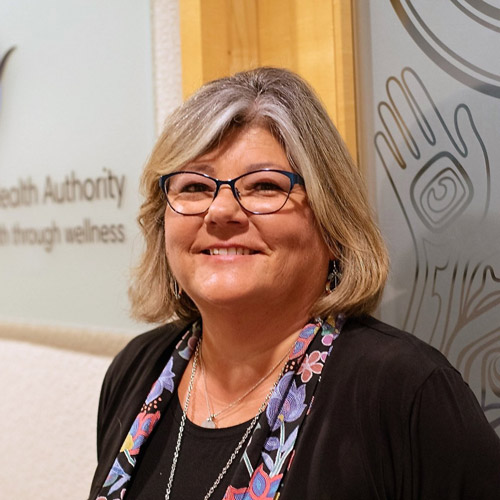
Spring is a lovely time of the year, but as anyone with seasonal asthma and/or allergies knows all too well, it can also be the worst season for triggering these conditions. The wetter weather leads to the formation of various molds, and the inhalation of their air-borne spores can cause asthma and allergy symptoms – shortness of breath, coughing, sneezing, wheezing and chest tightness. And although the new blooms popping up everywhere are beautiful, they're also "a-choo-ful" because of the pollen they contain! So, for the three million or so Canadians with these common conditions, springtime can be challenging, or at least not as enjoyable as it is for others. In addition to the extra mold and pollen, there are the usual, more year-round triggers such as pets, certain foods, sulphites in wine and beer, cigarette and other smoke, scented products and many others.
In this message, I'll talk briefly about what asthma is (the good news is that it's treatable and manageable) and how it relates to allergies, how Indigenous people in BC are affected (the bad news is, more than the general population), what resources and assistance are available for Indigenous people (including, of course, from the FNHA), and what you can do to manage the symptoms of your or your loved ones' asthma and allergy symptoms (a great deal, so please read on).
What is asthma? What is an allergy?
Asthma is "a chronic inflammatory disease of the airway" that causes the flow of air in and out of the lungs to be obstructed. Though usually related to an "attack" from outside the body, asthma can also be triggered by other things, like exercise, temperature change, and stress! Asthma has no set pattern; its symptoms vary and fluctuate widely, from mild to severe. Its cause is unknown and currently there is no cure, although there are ways to manage it. Anyone can get it, although young people account for most first diagnoses.
Allergies are "misguided reactions to foreign substances by the immune system, the body's system of defence against infectious agents." The reactions (sneezing, itchy nose or throat, runny nose) are misguided because these substances (including pollens, dust mites, molds, pet danders, and certain foods) are usually harmless. Allergies can develop at any age, and the risk of developing them is genetic. It is important to know that some allergies can be life threatening: if you have swelling in your face/tongue/throat, or you are not responding to rescue medications – call for emergency help right away.
How are asthma and allergies related?
Asthma and seasonal allergies are related conditions that cause problems with our breathing by obstructing the free passage of air along the airways (starting in the nose). With asthma, the breathlessness and wheezing is caused by a narrowing of the bronchioles (small branched airways in the lungs). With seasonal allergies, the obstruction occurs in the upper section of the airway (in the nose), often accompanied by a rash, itchy and water eyes, itchy throat and palate. More than 80% of people with asthma also suffer from allergic rhinitis (inflammation of the mucous membrane of the nose, usually caused by a virus infection), and respiratory allergies such as allergic rhinitis affect one in five Canadians. Effective treatment of seasonal allergies can reduce asthma symptoms and may even help prevent the development of asthma.
First Nations people in BC and asthma
First Nations people in BC had higher rates of asthma in 2014/15 compared to other people in the province, with First Nations women’s rates higher than men’s (girls’ and boys’ rates, however, were similar). Also, First Nations asthma rates increased between 2008/09 and 2014/15 in persons aged 18 to 64 and in women 75 years and older. (These rates only refer to those who have been treated and diagnosed by a doctor, so the numbers may actually be higher.)
Research has indicated that this health inequity is linked to a number of factors including substandard housing (humidity can result in the growth of molds, particularly in the very humid coastal areas of BC, or in areas prone to flooding), low household income, overcrowded housing, cigarette smoke, and the limited availability/accessibility of primary care in the more remote communities, which can mean not being able to receive the proper care for asthma-related illnesses.
Managing asthma and allergy symptoms
The good news is that most people with asthma and / or allergies can manage and control their asthma and allergy symptoms and live full, active lives. Here are some of the top tips for doing so:
• Get, and follow, an asthma/allergy management plan from your healthcare provider. It really helps if you keep track of your symptoms and your use of rescue medications (puffers).
• Know, and avoid or minimize contact with, your specific asthma/allergy triggers. To determine what they are, keep a record of what you were doing that caused symptoms in order to find out what your triggers are, e.g., were you near an animal (pet dander) / making a bed (dust mites) / vacuuming (dust mites) / tired (stress) / outside (pollen)?
• Take your medication as directed by your healthcare provider.
• Learn as much about asthma and allergies as you can. Visit these links for detailed information about these conditions: 1) https://www.healthlinkbc.ca/health-topics/center1042; and 2) https://www.healthlinkbc.ca/health-topics/center1001.
• Learn about the benefits/assistance/resources available to you for the management of health issues: http://www.fnha.ca/benefits/benefits-information